
Why the Right Bike Transforms Your Riding
You'll notice the difference within the first few miles. A bike that fits your body and riding style doesn't just feel better—it actually changes how much you enjoy being out on the greenway. We're not talking about expensive racing bikes here. We're talking about practical comfort that lets you ride for hours without pain or frustration.
The good news? You don't need to be an expert to find the right bike. A few key measurements and an honest conversation about what you'll actually be doing with it—that's enough to point you in the right direction. Most people overthink this. Let's keep it simple.
Frame Style Matters More Than You'd Think
There's a reason some bikes feel relaxed while others push you forward. It's the geometry—how the frame is built.
Hybrid bikes are your best starting point. They've got an upright position that keeps your back straight, which means less strain on your shoulders and neck. You're not hunched over like you're racing. The handlebars sit higher, and you can actually see what's ahead without craning your neck.
Flat-bar road bikes work too if you want something lighter. But if you're planning 2-3 hour rides on the Greenway, the upright position of a hybrid is genuinely better. You'll thank yourself around hour two.
Stand over the frame with both feet on the ground. You should have 1-2 inches of clearance between your body and the top tube. That's the safe zone. Too big, and you'll struggle to mount. Too small, and your knees will hit the handlebars on each pedal stroke.
The Seat Changes Everything
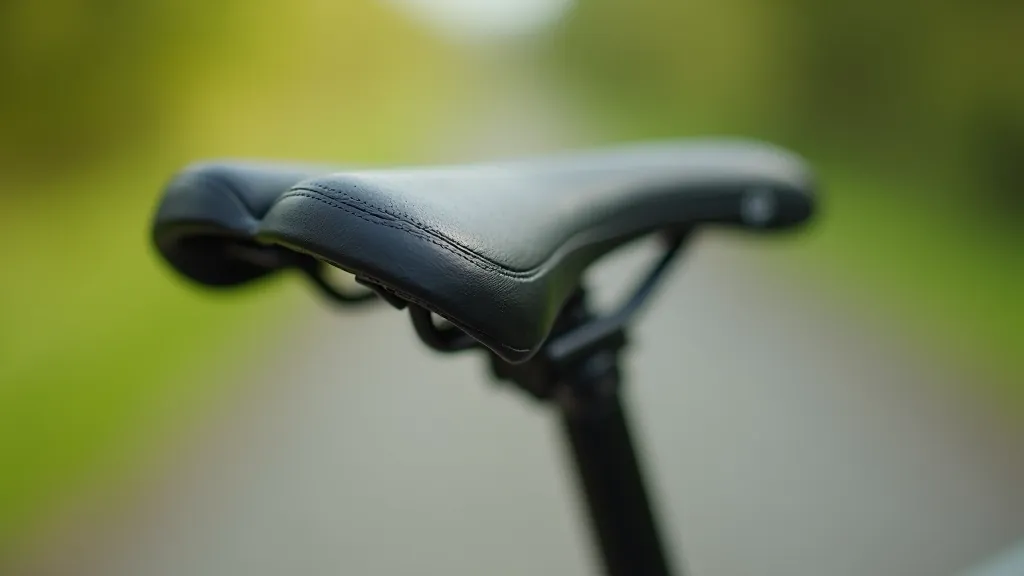
Here's what most people get wrong: they think a soft, mushy seat is comfortable. Actually, it's the opposite. A wide, moderately padded saddle with good support is what you want. Too soft and you'll feel like you're sinking into it, which causes friction and pressure points.
Look for a saddle that's at least 240mm wide—that's roughly the width of your sit bones. Most comfort bikes come with decent saddles already, but if yours doesn't feel right after 30 minutes, don't hesitate to upgrade. A new saddle costs €40-80 and can be the difference between enjoying your rides and dreading them.
The height matters just as much. When you're sitting in the saddle with the pedal at its lowest point, your leg should have a slight bend—about 25-30 degrees. Not locked straight, not cramped. That sweet spot prevents knee pain and lets you pedal efficiently without exhausting yourself.
How to Actually Test a Bike Before Buying
Don't buy a bike without riding it first. Even 15 minutes tells you a lot. Pay attention to how your body feels, not just how fast you're going.
- Does your lower back feel supported or does it ache?
- Are your shoulders tense or relaxed?
- Can you reach the handlebars without stretching?
- Does the seat feel like it's supporting you or creating pressure points?
- Can you brake smoothly and control the bike easily?
If something feels off during the test, it'll feel worse on a 2-hour ride. Trust that feeling. There's always another bike worth trying. Most good bike shops will let you take a bike out for a proper test ride, not just around the car park. Do it. Ride a few miles if they'll let you.
A Note on Bike Selection
This article provides general guidance on bike comfort and fit. Individual needs vary significantly based on body type, previous injuries, and personal preferences. If you've experienced significant pain or have mobility concerns, consider consulting with a professional bike fitter or physical therapist before making a purchase. What works for one person might not work for another—comfort is personal.
You'll Know When You've Found the Right One
The right bike doesn't announce itself with fanfare. It just feels natural. Your first 30 minutes on it, you're not thinking about discomfort or adjustments. You're thinking about the scenery, the breeze, how good it feels to be moving. That's the goal.
Frame style, seat width, handlebar height—these aren't luxuries. They're the foundation of actually enjoying your rides. Spend time testing different options. Talk to people at local bike shops who ride recreationally themselves. And once you've found your bike, take it out on the Greenway. That's where you'll really know if you made the right choice.
Ready to learn more about cycling safely? Read our guide on essential safety gear for older cyclists.
Safety Essentials for Older Cyclists