Other Gear That Actually Matters
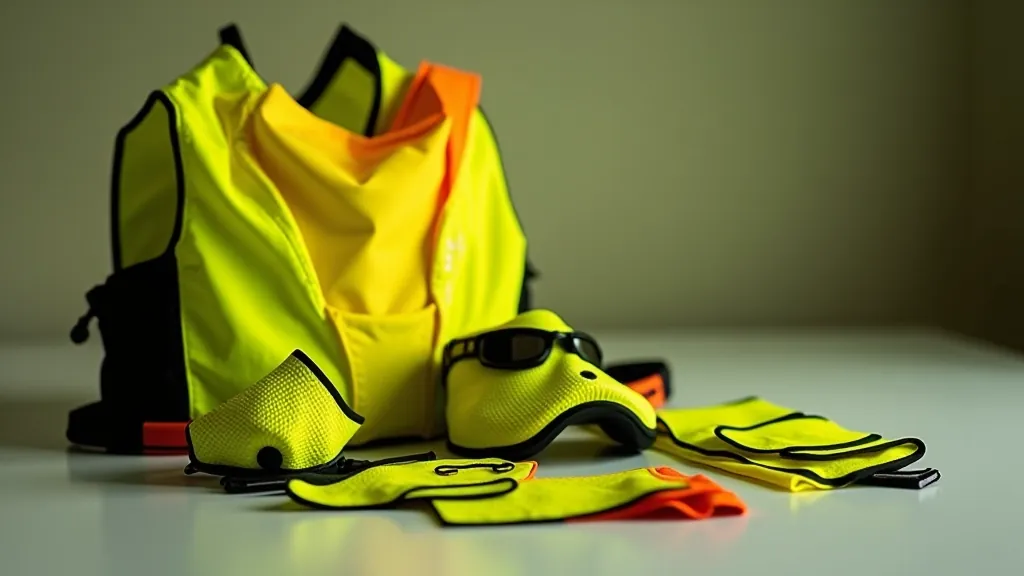
Beyond the essentials, a few other things make cycling safer and more comfortable. Glasses protect your eyes from wind, sun, and insects — they're not luxury, they're practical. Padded gloves reduce hand fatigue and give you better grip in wet conditions. A bell or horn lets pedestrians know you're coming without startling them.
Good brakes matter too. If your brakes feel soft or unresponsive, get them serviced before your next ride. Brakes that work smoothly and reliably give you confidence and control on any road or path.
Consider a mirror as well. Handlebar mirrors let you see traffic coming from behind without turning your head. They're especially useful on busy roads or when your neck isn't as flexible as it used to be.
Pre-Ride Safety Check
1
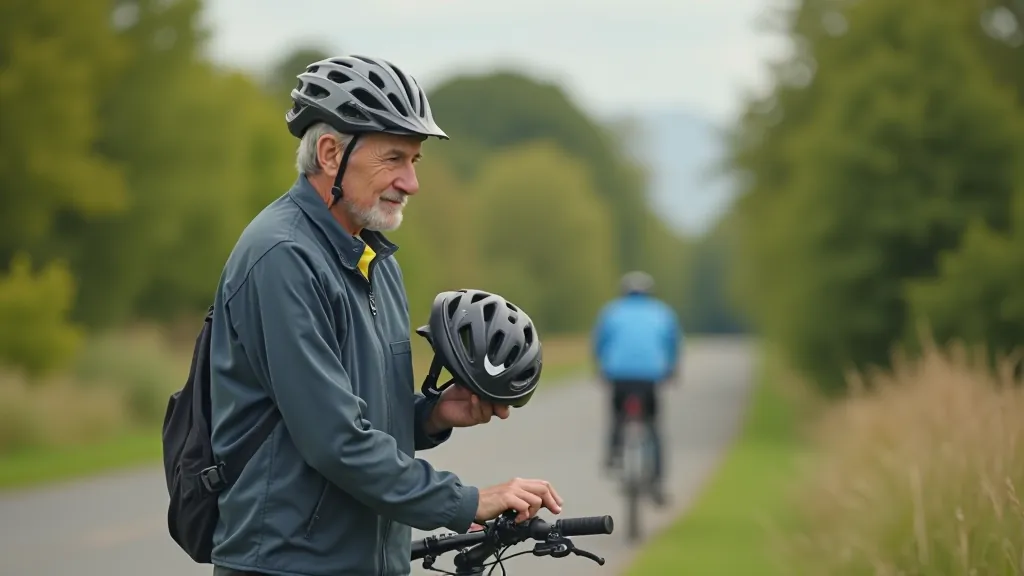
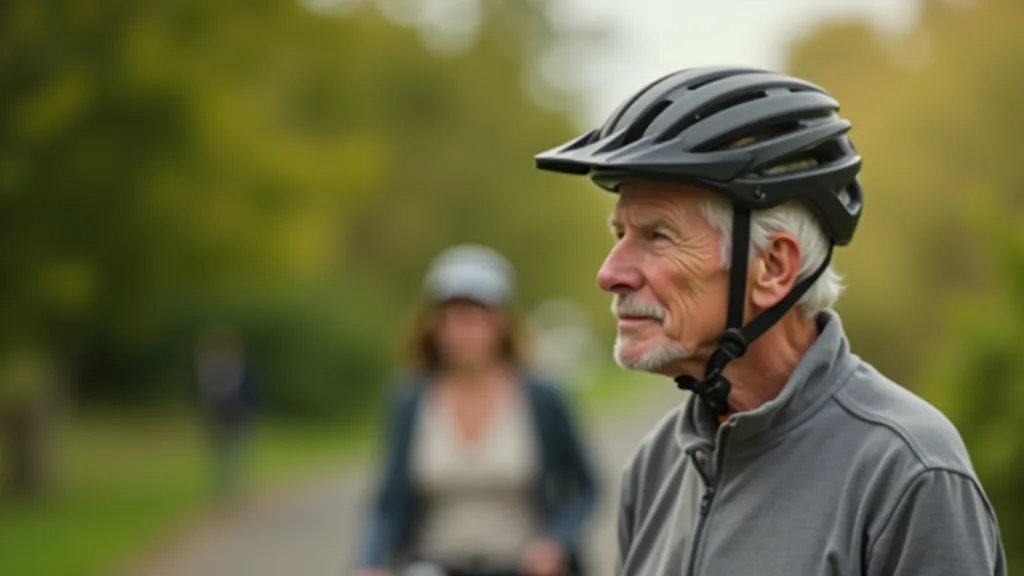
Helmet on properly
Level, snug, no movement
2
Test lights and reflectors
Front and rear lights working
3
Check brakes
Responsive and smooth
4
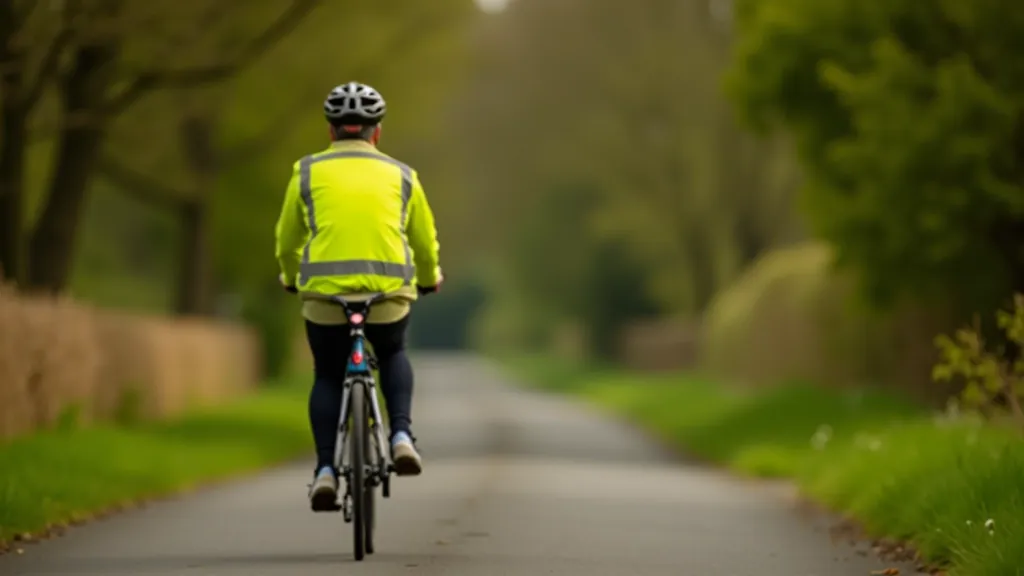
Wear reflective gear
Visible from front and back
Important Information
This article provides educational information about cycling safety. It's not a substitute for professional safety training or medical advice. Always follow local traffic laws, check weather conditions before riding, and consult a doctor if you have any health concerns about cycling. Safety gear doesn't prevent all accidents — responsible riding habits are equally important.
Making Safety a Habit
Safety isn't something you think about once and then forget. It's a habit. Every time you ride, you put on your helmet, turn on your lights, and wear something visible. After a few weeks, it becomes automatic — like putting on shoes before leaving the house.
The Waterford Greenway and local cycling paths are wonderful places to ride. They're safer than busy roads, but safety gear still matters. A fall on a path can happen just as easily as anywhere else. The difference between a minor tumble and a serious injury is often what you're wearing.
Start with the basics: a helmet that fits, front and rear lights, and something reflective. As you get more comfortable cycling, you can add other gear. But these three essentials? They're non-negotiable. They're what keep you riding safely for years to come.
Read: Warm-Up and Recovery Routines for CyclistsRelated Articles
Planning Your First Long Ride on the Greenway
Read Article